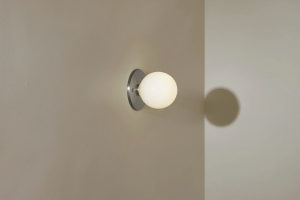
The honeycomb chandelier is a contemporary lighting fixture characterized by its hexagonal geometric pattern that mimics the cellular structure of natural beehives. This design has become increasingly prevalent in modern interior design applications since the early 2000s, appearing in residential and commercial spaces worldwide. The fixture’s distinctive hexagonal cells create specific light distribution patterns, producing both direct illumination and filtered ambient lighting through the geometric openings.
The structure typically measures between 12 to 48 inches in diameter, with variations available in pendant, flush-mount, and multi-tier configurations. Installation requirements vary by size and weight, with larger models requiring reinforced ceiling mounting systems. Honeycomb chandeliers Nounhouse are manufactured using diverse materials including metal alloys, acrylic, glass, wood, and composite materials.
Common finishes include brushed brass, matte black, copper, and powder-coated options in various colors. LED integration has become standard in newer models, offering energy efficiency ratings of 80-90% compared to traditional incandescent alternatives. The fixture’s geometric design allows compatibility with multiple interior design approaches, from Scandinavian minimalism to industrial aesthetics.
Market analysis indicates growing adoption rates in dining areas (35%), entryways (28%), and living spaces (22%). Price ranges typically span from $150 for basic models to over $2,000 for designer or custom installations, with mid-range options averaging $400-800.
History of Honeycomb Chandeliers
The concept of chandeliers dates back to the Middle Ages when they were primarily used in churches and grand halls as symbols of wealth and status. However, the honeycomb chandelier, with its distinctive design, emerged much later as part of the evolution of lighting fixtures. The honeycomb pattern itself draws inspiration from nature, particularly the hexagonal cells constructed by bees.
This natural form has been admired for centuries, not only for its aesthetic appeal but also for its structural efficiency. The modern interpretation of the honeycomb chandelier began to take shape in the mid-20th century when designers started experimenting with geometric forms and organic shapes. The rise of mid-century modern design played a significant role in popularizing such innovative lighting fixtures.
Designers like Isamu Noguchi and George Nelson explored the use of unconventional materials and forms, paving the way for the honeycomb chandelier’s emergence as a contemporary design staple. Over time, this fixture has been reimagined by various designers, each adding their unique twist while maintaining the essence of the honeycomb structure.
Unique Design Features of Honeycomb Chandelier
One of the most striking features of honeycomb chandeliers is their geometric form, which often consists of interlocking hexagonal shapes. This design not only creates visual interest but also allows for a unique play of light. When illuminated, the honeycomb structure casts intricate shadows on surrounding surfaces, enhancing the overall atmosphere of the space.
The three-dimensional quality of these chandeliers adds depth to a room, making them an ideal focal point. Additionally, honeycomb chandeliers often incorporate a variety of finishes and colors that can be tailored to suit individual tastes. From sleek metallic surfaces to vibrant hues, these fixtures can be customized to match or contrast with existing decor.
The modular nature of many honeycomb designs allows for scalability; they can be arranged in clusters or as standalone pieces, providing flexibility in how they are displayed. This adaptability makes them suitable for both large open spaces and more intimate settings.
Materials Used in Creating Honeycomb Chandelier
The materials used in crafting honeycomb chandeliers are as diverse as their designs. Commonly, metal is employed for its durability and ability to hold intricate shapes. Materials such as brass, aluminum, and steel are frequently used to create the framework of these fixtures.
The choice of metal can significantly influence the chandelier’s overall aesthetic; for instance, brass offers a warm, vintage feel, while polished steel provides a sleek, modern look. In addition to metal, glass is often incorporated into honeycomb chandeliers to enhance their luminosity. Glass elements can be frosted or clear, allowing for varying degrees of light diffusion.
Some designs even utilize colored glass to create a more dramatic effect when illuminated. Furthermore, innovative materials such as acrylic and resin have gained popularity in recent years due to their lightweight properties and versatility in design. These materials enable designers to experiment with shapes and colors that were previously challenging to achieve with traditional materials.
How to Incorporate a Honeycomb Chandelier in Your Home
Incorporating a honeycomb chandelier into your home can elevate your interior design significantly. The first step is to consider the scale of the chandelier in relation to the space where it will be installed. In larger rooms with high ceilings, a grand honeycomb chandelier can serve as a stunning centerpiece that draws the eye upward.
Conversely, in smaller spaces, opting for a more modestly sized fixture or grouping several smaller chandeliers can create an inviting atmosphere without overwhelming the area. Placement is another crucial factor when integrating a honeycomb chandelier into your home. In dining areas, hanging the chandelier above the table can create an intimate dining experience while providing ample light for meals.
In living rooms or entryways, positioning the chandelier centrally can enhance the room’s overall aesthetic and provide ambient lighting. Additionally, consider pairing the chandelier with complementary decor elements such as wall sconces or pendant lights to create a cohesive lighting scheme throughout your home.
Maintenance and Care for Honeycomb Chandelier
Maintaining a honeycomb chandelier is essential to ensure its longevity and continued aesthetic appeal. Regular cleaning is necessary to prevent dust accumulation on both the metal framework and any glass or acrylic components. A soft microfiber cloth is ideal for gently wiping down surfaces without scratching them.
For glass elements, using a glass cleaner can help maintain clarity and brilliance; however, it is crucial to avoid harsh chemicals that could damage finishes. In addition to cleaning, periodic inspections are advisable to check for any loose connections or damaged components. If your chandelier uses bulbs that require replacement, ensure you follow the manufacturer’s guidelines regarding wattage and type to avoid overheating or electrical issues.
For more complex maintenance tasks or repairs, consulting with a professional electrician or lighting specialist is recommended to ensure safety and proper handling.
Benefits of Using a Honeycomb Chandelier
The benefits of incorporating a honeycomb chandelier into your home extend beyond mere aesthetics. One significant advantage is its ability to enhance the overall ambiance of a space through effective lighting design. The unique structure allows for diffused light that creates warmth and comfort while minimizing harsh shadows.
This quality makes honeycomb chandeliers particularly suitable for areas where relaxation and social interaction occur. Moreover, honeycomb chandeliers are versatile in their application across various design styles. Whether your home leans towards modern minimalism or eclectic bohemian decor, there exists a honeycomb chandelier that can seamlessly integrate into your vision.
Additionally, their customizable nature means that homeowners can select colors and finishes that resonate with their personal style while still benefiting from the functional aspects of effective lighting.
Conclusion and Final Thoughts on Honeycomb Chandelier
The honeycomb chandelier stands out as an exceptional lighting fixture that marries form and function beautifully. Its rich history reflects an evolution influenced by nature and modern design principles, resulting in a piece that is both timeless and contemporary. With unique design features that allow for creative expression through various materials and finishes, these chandeliers offer endless possibilities for enhancing interior spaces.
As homeowners seek ways to personalize their environments while ensuring practicality, honeycomb chandeliers emerge as an ideal solution that meets both aesthetic desires and functional needs. Their ability to transform spaces through light while serving as captivating focal points makes them an invaluable addition to any home decor scheme. Whether you are drawn to their geometric elegance or their versatility across styles, investing in a honeycomb chandelier is sure to illuminate your living space in more ways than one.