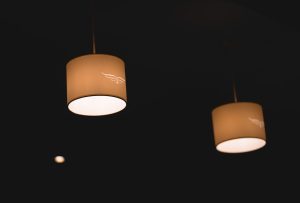
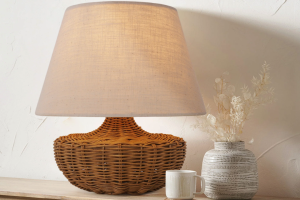
Natural alabaster stone wall sconces offer a distinct approach to interior illumination and decorative enhancement. This article provides an overview of their characteristics, benefits, considerations for selection and installation, and maintenance.
Definition and Origin
Alabaster is a fine-grained gypsum or calcite rock. While both varieties can be referred to as alabaster, they differ in their composition and properties.
Gypsum Alabaster
Gypsum alabaster, specifically the varieties known as satin spar or selenite, is a hydrated calcium sulfate (CaSO₄·2H₂O). It is typically a soft mineral with a Mohs hardness of 1.5 to 2. This makes it relatively easy to carve but also susceptible to scratching and chemical alteration. Gypsum alabaster is often translucent, allowing light to pass through it. Deposits are found globally, including significant sources in Italy, Egypt, and the United States. Historically, it was a favored material for sculpture and decorative objects due to its workability and beauty.
Calcite Alabaster (Onyx Marble)
Calcite alabaster, often referred to as Mexican onyx or simply onyx marble, is a cryptocrystalline variety of calcite (CaCO₃), a form of calcium carbonate. It is harder than gypsum alabaster, with a Mohs hardness of 3. Calcite alabaster is also characterized by its translucency and often exhibits banding or swirling patterns of various colors, including white, cream, yellow, brown, and green. These patterns arise from impurities present during its formation. Calcite alabaster is found in areas with limestone deposits and dissolved calcium carbonate, such as Mexico, Iran, and Turkey. Its denser structure makes it more durable than gypsum alabaster.
Unique Properties for Lighting Applications
The inherent properties of natural alabaster make it a compelling choice for wall sconces.
Translucency and Light Diffusion
The defining characteristic of alabaster, particularly gypsum varieties, is its translucency. When illuminated, natural alabaster does not simply reflect light; it allows it to pass through, creating a soft, diffused glow. This effect is akin to moonlight filtering through a thin veil of clouds, transforming harsh artificial light into a gentle, ambient illumination. The stone itself becomes a luminous element, contributing to the overall atmosphere of a space rather than just serving as a conduit for light Woolerdesign.
Variations in Translucency
The degree of translucency can vary significantly based on the specific mineral composition and the thickness of the alabaster used in the sconce. Denser calcite alabasters may allow less light to pass through compared to finer-grained gypsum alabasters. The presence of internal structures, crystalline formations, or color banding within the stone can also influence how light is transmitted and perceived. These variations contribute to the unique character of each alabaster sconce.
Natural Aesthetics and Texture
Each piece of natural alabaster possesses a unique aesthetic, defined by its color, veining, and inherent texture.
Color Palette
Natural alabaster hues range from pure white to creamy off-whites, warm ivories, and subtle earthy tones. Some varieties exhibit delicate veins or subtle striations of color, adding depth and visual interest. These natural color variations mean that no two alabaster sconces will be identical, providing a sense of individuality to the décor.
Surface Finish
The surface of alabaster can be finished in various ways, from a smooth, polished sheen that enhances its natural luster to a more matte or honed finish that offers a subtle, understated elegance. The chosen finish significantly impacts how the stone interacts with light and its overall tactile quality.
Benefits of Incorporating Alabaster Sconces
The integration of natural alabaster wall sconces into an interior design scheme offers several advantages, impacting both the aesthetic and functional aspects of a space.
Ambiance Creation
Alabaster sconces are instrumental in crafting specific moods and enhancing the atmosphere of a room.
Soft and Inviting Illumination
The diffused light emitted by alabaster sconces provides a warm and inviting glow. This gentle illumination is ideal for creating a relaxed and comfortable environment, particularly in living rooms, bedrooms, and dining areas. Unlike direct, harsh lighting, the light from alabaster sconces bathes the space in a soft radiance, promoting a sense of tranquility and well-being.
Enhancing Architectural Features
When strategically placed, alabaster sconces can highlight architectural details, such as textured walls, artwork, or decorative moldings. The subtle interplay of light and shadow cast by the sconces can emphasize the three-dimensionality of these features, drawing attention to them and adding visual richness to the room.
Timeless Elegance and Sophistication
The inherent qualities of natural alabaster lend themselves to a timeless aesthetic that transcends fleeting design trends.
Natural Material Appeal
In a world increasingly dominated by synthetic materials, the use of natural stone offers a connection to the earth and a sense of enduring quality. Alabaster, with its ancient origins and organic beauty, brings an element of natural sophistication that is universally appreciated. It acts as a grounding element within a design, offering a sense of permanence and inherent value.
Versatility in Design Styles
Despite its classic appeal, alabaster sconces can complement a surprising range of interior design styles.
Complementing Modern Interiors
In contemporary spaces, alabaster sconces can provide a softening contrast to minimalist aesthetics, sleek lines, and industrial materials. Their natural warmth and diffused light can introduce a touch of organic texture and gentle illumination, preventing a modern room from feeling stark or impersonal.
Enhancing Traditional and Transitional Designs
Within traditional or transitional settings, alabaster sconces naturally integrate with established décor. Their inherent elegance and refined appearance align seamlessly with classical motifs and softer furnishings, adding a layer of sophisticated detail.
Durability and Longevity (with proper care)
While alabaster is a natural stone, with appropriate care, alabaster sconces can offer a long lifespan.
Material Resilience
Calcite alabaster, in particular, is a relatively durable material. While it can be scratched if subjected to abrasive forces, its inherent density makes it robust for everyday use. Gypsum alabaster requires more delicate handling but is still suited for its intended purpose as a decorative lighting element.
Investment in Quality
Choosing high-quality natural alabaster sconces can be seen as an investment in long-term décor. Unlike mass-produced fixtures that may degrade over time, authentic stone pieces retain their intrinsic beauty and value.
Considerations for Selection
When selecting natural alabaster wall sconces, several factors warrant careful consideration to ensure they meet both aesthetic and practical requirements.
Style and Design Harmony
The chosen sconces should integrate seamlessly with the existing interior design.
Matching Existing Décor Elements
Consider the color palette, textures, and overall style of the room. If the room features warm wood tones, an alabaster with creamy or ivory hues might be suitable. For spaces with cooler color schemes, a whiter alabaster could provide a complementary contrast. The hardware finish of the sconce (e.g., brass, brushed nickel, black) should also align with other fixtures in the room.
Scale and Proportion
The size of the sconces should be proportionate to the scale of the room and the walls they will adorn. Overly large sconces can dominate a small space, while undersized ones may appear lost on a grand wall.
Light Source and Output
The intended use of the sconce will dictate the type of light source and its intensity.
Bulb Type and Wattage
Alabaster sconces are typically designed to accommodate standard screw-in bulbs (e.g., E12, E26). The wattage of the bulb will directly influence the brightness of the illumination. For ambient lighting, lower wattage bulbs are generally preferred. It is important to adhere to the maximum wattage recommended by the fixture manufacturer to prevent overheating.
LED Compatibility
Many modern alabaster sconces are designed to work with LED bulbs. LEDs offer energy efficiency and a longer lifespan. They also produce less heat, which can be beneficial for delicate natural materials like gypsum alabaster. When using LEDs, consider their color temperature (warm white, cool white) to achieve the desired ambiance.
Material Quality and Authenticity
Ensuring the alabaster is natural and of good quality is crucial.
Identifying Genuine Alabaster
Look for variations in color, veining, and translucency that are characteristic of natural stone. Avoid materials that appear plastic-like or have overly uniform patterns, which may indicate artificial substitutes. Reputable manufacturers and retailers will typically provide information about the origin and type of alabaster used.
Imperfections as Character
Natural stone may exhibit minor imperfections, such as small fissures or color variations. These are not necessarily defects but rather characteristics that contribute to the unique beauty of the material. However, significant cracks or structural weaknesses would indicate faulty craftsmanship.
Installation Process
The installation of wall sconces, including those made of alabaster, requires attention to safety and proper mounting techniques.
Preparation and Safety Precautions
Before beginning the installation, ensure all necessary safety measures are in place.
Electrical Safety
Always turn off the power to the circuit at the breaker box before working with electrical wiring. Use a non-contact voltage tester to confirm the power is indeed off. If you are not comfortable with electrical work, it is advisable to hire a qualified electrician.
Wall Type and Support
Identify the type of wall (e.g., drywall, plaster, brick) and ensure it can adequately support the weight of the sconce. For heavier fixtures, locate wall studs or use appropriate mounting hardware and anchors to provide secure support.
Mounting the Sconce
The process involves connecting the electrical components and securely attaching the fixture to the wall.
Wiring Connections
Follow the manufacturer’s instructions for connecting the wiring. Typically, this involves connecting the house wiring to the corresponding wires on the sconce (usually black to black, white to white, and ground to ground). Use wire nuts to secure the connections, ensuring they are tight and insulated.
Securing the Fixture
Once the wiring is complete, carefully attach the sconce body to the mounting bracket or directly to the wall, depending on the fixture’s design. Ensure all screws are tightened securely, but avoid overtightening, which could damage the stone or mounting hardware.
Installing the Alabaster Shade
The final step involves placing the alabaster shade onto the fixture.
Gentle Handling
Natural alabaster, particularly finer varieties, can be brittle. Handle the shade with care to avoid dropping or applying excessive pressure.
Securing the Shade
Most sconces have a mechanism for securing the shade, such as retaining rings, clips, or screws. Ensure the shade is fitted correctly and secured firmly without being overstressed.
Maintenance and Care
Proper maintenance will help preserve the beauty and longevity of natural alabaster wall sconces.
Cleaning Procedures
Regular and appropriate cleaning is essential to prevent grime buildup and maintain the stone’s appearance.
General Cleaning
For routine cleaning, use a soft, damp cloth to wipe down the alabaster surface. Avoid abrasive materials or harsh chemicals, as these can scratch or etch the stone. A mild, pH-neutral soap can be used sparingly if necessary, followed by thorough rinsing with a clean, damp cloth.
Spot Cleaning Stains
If a stain occurs, address it promptly. For water-based stains, blot the area with a clean cloth. For more persistent stains on calcite alabaster, a poultice made from an absorbent material (like kaolin clay or diatomaceous earth) mixed with water can be applied. Allow the poultice to dry completely before gently brushing it away. For gypsum alabaster, extreme caution is advised with any liquid, and professional advice might be necessary for stain removal.
Protecting the Stone
Certain environmental factors and usage habits can impact the alabaster.
Avoiding Harsh Chemicals
Never use ammonia-based cleaners, bleach, or acidic substances on alabaster, as they can cause irreversible damage. These chemicals are akin to aggressive solvents that can attack the very structure of the stone.
Preventing Water Damage
While calcite alabaster is denser, gypsum alabaster is water-soluble. Avoid prolonged exposure to moisture. Ensure the area around the sconce is kept dry. If moisture accumulates, dry it immediately.
Light Bulb Considerations
As mentioned earlier, heat generated by bulbs can affect the stone. Opt for cooler-running LED bulbs to minimize heat exposure. Ensure there is adequate ventilation around the bulb and the fixture to prevent heat buildup.
In conclusion, natural alabaster stone wall sconces offer a sophisticated and enduring approach to interior lighting. Their unique ability to diffuse light, coupled with their natural beauty, provides an aesthetic enhancement that can transform the ambiance of any room. By understanding their properties, carefully considering selection criteria, employing proper installation techniques, and adhering to appropriate maintenance practices, these fixtures can serve as both functional lighting elements and timeless decorative statements.