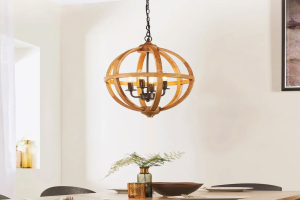
Finding the right reading lamp for your home office isn’t just about brightness; it’s about creating an atmosphere. For those looking to infuse a sense of calm, authenticity, and understated beauty into their workspace, embracing the principles of Wabi-Sabi in your lamp choice can be a game-changer. It’s about finding beauty in imperfection, appreciating the natural, and opting for something that feels lived-in and real, rather than mass-produced and flawless.
Before we dive into lamps Bowcharms, let’s quickly touch on Wabi-Sabi. Originating from Japanese aesthetics, it’s a worldview centered on the acceptance of transience and imperfection. Think of it as finding beauty in the aged, the weathered, and the naturally flawed. It’s not about striving for perfection, but appreciating the unique character that emerges from time and use.
A Focus on Authenticity
This philosophy encourages us to look beyond the shiny and new, towards items that tell a story. In a home office, this translates to furniture and decor that feels grounded and genuine.
Embracing Imperfection
A slight chip in a ceramic base, the uneven grain of wood, or the subtle patina on metal – these aren’t flaws in Wabi-Sabi, they’re features that add depth and personality.
Valuing Simplicity
Wabi-Sabi design is often minimalist, not because it lacks, but because it pares down to the essential, allowing the inherent beauty of materials to shine.
Why Wabi-Sabi for Your Home Office Lamp?
Your home office is a place for focus, creativity, and often, quiet reflection. A Wabi-Sabi approach to your reading lamp can significantly enhance this environment, promoting a sense of calm and well-being.
Cultivating Calm and Focus
A lamp that embodies Wabi-Sabi often uses natural, earthy materials and soft, diffused light. This contributes to a serene atmosphere, reducing visual clutter and promoting concentration.
A Touch of Soul
Unlike mass-produced, identical lamps, a Wabi-Sabi inspired piece brings a unique character to your desk. It feels less like an object and more like an extension of your thoughtful workspace.
Durability and Timelessness
Wabi-Sabi lamps often prioritize craftsmanship and natural materials that age gracefully. This means you’re investing in a piece that won’t go out of style and will likely last for years.
Key Elements of a Wabi-Sabi Reading Lamp
When you’re sifting through options, keep these characteristics in mind to identify a lamp that truly aligns with Wabi-Sabi principles.
Natural Materials Reign Supreme
This is perhaps the most crucial aspect. Wabi-Sabi is deeply connected to nature, so look for materials that feel authentic and unprocessed.
Wood
Opt for lamps with bases or accents made from unvarnished, reclaimed, or naturally finished wood. Think oak, walnut, or even driftwood. The grain, knots, and slight imperfections are highly prized. Avoid overly polished or synthetic wood finishes.
Ceramic and Clay
Hand-thrown pottery bases with a matte, unglazed, or subtly textured finish are excellent choices. The slight unevenness or variations in color are what make them beautiful.
Metal
Aged brass, blackened steel, or patinated copper can bring a Wabi-Sabi touch. The key is that the metal shouldn’t look brand new or excessively shiny. It should have a history, or at least the appearance of one.
Linen and Cotton
If the lamp has a shade, natural fibers like linen, raw cotton, or even jute are perfect. They diffuse light softly and have a tactile quality. Avoid synthetic or highly reflective fabrics.
Imperfection as Beauty
Don’t shy away from lamps that aren’t perfectly symmetrical or have minor, natural irregularities. These are often the most Wabi-Sabi.
Subtle Asymmetry
A slightly irregular shape or a base that isn’t perfectly uniform can add character.
Visible Craftsmanship
Look for evidence of human touch – perhaps a visible weld on a metal lamp, or the subtle fingerprint marks on a hand-blown glass shade (if used sparingly and with discretion).
Natural Wear and Tear
If you’re buying second-hand, a lamp with a gentle patina or some minor wear can be more Wabi-Sabi than something pristine.
Simplicity in Form and Function
Wabi-Sabi lamps are rarely ornate or overly decorated. Their beauty lies in their understated elegance and practical design.
Clean Lines
The overall design should be simple and uncluttered. Avoid excessive embellishments or fussy details.
Unadorned Surfaces
Surfaces should be mostly unadorned, allowing the natural beauty of the materials to be the star.
Practicality First
The lamp’s primary function is to provide good reading light. While aesthetics are important, it should still be highly functional for your workspace.
Earthy and Muted Color Palettes
The colors should feel natural and soothing, echoing tones found in nature.
Neutrals
Greys, off-whites, beiges, and soft browns are excellent choices.
Deep, Muted Tones
Forest greens, charcoal, or deep indigo used sparingly can also fit, as long as they are not overly vibrant.
Natural Variations
Allow for the natural color variations within the chosen materials – the grain of wood, the slight shifts in ceramic glaze.
Types of Lamps That Fit the Wabi-Sabi Aesthetic
While any type of lamp can potentially be Wabi-Sabi, certain styles lend themselves more easily to this aesthetic.
Task Lamps with a Twist
Traditional task lamps are all about function, but you can find ones that incorporate Wabi-Sabi elements.
Articulated Wood Lamps
Lamps with jointed wooden arms and bases, often paired with a simple metal or linen shade, are a great choice. The wood adds warmth and an organic feel.
Industrial-Inspired Metal Lamps
Look for lamps made from blackened steel or aged brass with exposed joints and a minimalist shade. The industrial look, when softened by a natural patina, can align well with Wabi-Sabi.
Table Lamps as Sculptural Elements
A table lamp on your desk isn’t just for light; it can be a quiet piece of art.
Ceramic Base Lamps
A hand-thrown ceramic base with a slightly uneven texture, topped with a simple linen shade, is a quintessential Wabi-Sabi choice.
Stone Base Lamps
A heavy, unpolished stone base (like travertine or slate) with a minimalist design exudes a natural, grounded feel.
Blown Glass (Subtle)
While Wabi-Sabi generally shies away from shiny, a carefully chosen hand-blown glass base with subtle imperfections, perhaps in a smoky or earthy tone, can work, especially when paired with a matte shade.
Floor Lamps (If Space Allows)
If your office is large enough, a floor lamp can provide ambient light and contribute to the Wabi-Sabi feel.
Tripod Wood Floor Lamps
A simple tripod base made from natural, unfinished wood, topped with a linen or paper shade, can be a beautiful addition.
Minimalist Metal Floor Lamps
A tall, slender floor lamp in matte black metal or aged brass, with a very simple, perhaps conical, shade, can offer subtle elegance.
Where to Find Your Wabi-Sabi Lamp
Finding these gems might require a bit more intentional searching than a trip to a big-box store.
Artisan Makers and Small Businesses
Many independent potters, woodworkers, and metal fabricators create pieces that naturally embody Wabi-Sabi. Look for them on Etsy, at local craft fairs, or through design blogs.
Custom Pieces
If you have a specific vision, consider commissioning a piece from an artisan. This guarantees uniqueness and aligns perfectly with the handcrafted ethos.
Vintage and Antique Stores
Second-hand shops, antique malls, and flea markets are treasure troves for Wabi-Sabi items. An older lamp often has the natural patina and imperfections that are so valued.
Lamps That Need TLC
Don’t be afraid of a lamp that needs a new cord or a simple repair. Bringing an old piece back to life is very much in the spirit of Wabi-Sabi.
Thoughtful Retailers
Some design-focused online stores or boutiques specialize in natural materials and handmade goods. They might curate collections that lean into a Wabi-Sabi aesthetic.
Sustainable Brands
Often, brands focused on sustainability and ethical production will use natural materials and emphasize craftsmanship, making them good sources.
DIY and Upcycling
With a bit of creativity, you can transform an existing lamp or even create one from scratch using natural elements.
Reclaimed Materials
Use an interesting piece of driftwood as a base, or turn a unique piece of pottery into a lamp.
New Shades
Swapping out a synthetic, shiny lampshade for one made of linen or raw silk can instantly transform a lamp’s aesthetic.
Setting Up Your Wabi-Sabi Workspace
Your Wabi-Sabi lamp is just one piece of the puzzle. Consider how it integrates with the rest of your home office.
Declutter Thoughtfully
A Wabi-Sabi space is rarely cluttered. Keep your desk clear of unnecessary items, allowing the beauty of a few well-chosen objects to stand out.
Natural Light First
Maximize natural light whenever possible. Your lamp should supplement, not replace, the sun.
Complementary Desk Accessories
Opt for a handmade ceramic pen holder, a wooden desk organizer, or a simple plant in a terracotta pot to complete the look. These items should also align with the Wabi-Sabi aesthetic.
Soft Textures
Add a simple, textured throw blanket over a chair or a natural fiber rug underfoot to enhance the tactile experience of the space.
A Note on Lighting Temperature
While not strictly a Wabi-Sabi design principle, the warmth of your light bulb significantly impacts the atmosphere.
Warm White Light
For a Wabi-Sabi office, aim for warm white light (around 2700K-3000K). This mimics natural candlelight or early morning sun, creating a cozy and inviting glow.
Dimmable Options
A dimmable lamp is ideal, allowing you to adjust the brightness based on the time of day and your specific task, further enhancing the adaptable and organic feel of a Wabi-Sabi space.
Choosing a Wabi-Sabi reading lamp for your home office is an invitation to slow down, appreciate the unique, and create a workspace that truly feels like an extension of yourself. It’s about surrounding yourself with objects that bring a sense of peace and authenticity, reminding you of the beauty found in the natural, the imperfect, and the genuinely lived.