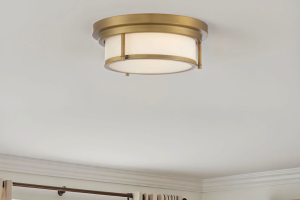
So, you’re looking for a weather-resistant nightstand lamp with a polished chrome finish? Great choice! The key here is finding a lamp that combines the sleek, modern aesthetic of polished chrome with the durability needed to withstand the elements, even if it’s just a damp patio or a slightly exposed balcony. We’re talking about lamps designed to shrug off moisture, temperature changes, and general outdoor wear and tear, all while looking effortlessly stylish. It’s definitely achievable, but it requires a bit more thought than just grabbing any old lamp off the shelf. Let’s dive into what you need to know.
Why “Weather Resistant” Matters for a Nightstand Lamp
You might be thinking, “It’s a nightstand lamp, why does it need to be weather resistant?” That’s a fair question. While most nightstands are safely indoors, the term “weather resistant” in this context broadens its applicability significantly. It’s not just about surviving a hurricane on your bedside table (which, let’s be honest, would be quite a story). It’s more about versatility and peace of mind.
Beyond the Bedroom: Versatile Placement
A weather-resistant lamp opens up possibilities beyond a traditional bedroom. Think about a screened-in porch, a covered balcony, an outdoor reading nook, or even a bathroom where humidity is a constant factor. These aren’t fully exposed outdoor spaces, but they aren’t completely climate-controlled either. A standard indoor lamp might quickly succumb to rust, corrosion, or electrical issues in such environments. “Weather resistant” here means it can handle a bit of dampness, temperature fluctuations, and dust without skipping a beat.
Durability and Longevity
Even for purely indoor use, a weather-resistant lamp often signifies a higher level of construction quality. Materials chosen for weather resistance tend to be more robust overall. This means better seals, more durable finishes, and generally a product built to last. So, while you might not be hosing it down, the inherent durability contributes to a longer lifespan and less worry about accidental spills or a humid night.
Polished Chrome Aesthetic Retention
A major reason you’re looking for a polished chrome finish is its visual appeal. It’s reflective, modern, and adds a touch of sophistication. A non-weather-resistant chrome finish, when exposed to any kind of moisture or humidity, can quickly tarnish, pit, or rust, losing its luster and aesthetic appeal. A weather-resistant chrome finish is specifically treated or coated to resist these corrosive effects, ensuring your lamp maintains its stunning look for years to come.
Key Features of Weather-Resistant Design
When scouting for your ideal lamp, several design elements contribute to its weather resistance. Understanding these will help you discern a truly robust option from something that just looks the part.
Ingress Protection (IP) Rating
This is perhaps the most crucial indicator of a lamp’s weather resistance. The IP rating system classifies and rates the degree of protection provided by mechanical casings and electrical enclosures against intrusion from solid objects (like dust) and liquids (like water). It’s usually presented as “IPXX” where the first X indicates protection against solids (0-6) and the second X indicates protection against liquids (0-9).
Understanding the IP Code Numbers
- First Digit (Solids):
- 0: No protection.
- 1: Protection against solid objects >50mm (e.g., accidental touch by hands).
- 2: Protection against solid objects >12.5mm (e.g., fingers).
- 3: Protection against solid objects >2.5mm (e.g., tools, thick wires).
- 4: Protection against solid objects >1mm (e.g., most wires, screws).
- 5: Dust protected (limited ingress, no harmful deposits).
- 6: Dust tight (no ingress of dust).
- Second Digit (Liquids):
- 0: No protection.
- 1: Protection against vertically falling drops of water.
- 2: Protection against vertically falling drops of water when enclosure is tilted up to 15 degrees.
- 3: Protection against spraying water.
- 4: Protection against splashing water.
- 5: Protection against water jets.
- 6: Protection against powerful water jets.
- 7: Protection against immersion, up to 1 meter depth for 30 minutes.
- 8: Protection against continuous immersion, under specified conditions.
- 9: Protection against high-pressure, high-temperature jet sprays.
For a nightstand lamp used in a slightly exposed or humid environment, you’re generally looking for an IP rating of at least IP44 (splash proof and protected against solids larger than 1mm). If it’s on a truly exposed balcony that might get splashed by rain, an IP65 or higher would be ideal. Many “weather-resistant” indoor/outdoor lamps fall into the IP44 to IP55 range.
Materials and Construction
The actual materials used are paramount. While you want a polished chrome finish, it’s important to understand what’s underneath and how that finish is applied.
Base Materials
- Stainless Steel: Often used as the base metal for chrome plating in weather-resistant applications. Grades like 304 or 316 stainless steel offer excellent corrosion resistance even before plating.
- Brass: Another good option for outdoor/humid environments due to its natural resistance to rust and corrosion. It can also be chrome plated.
- Aluminum: Lightweight and corrosion-resistant, aluminum is frequently used. However, the chrome finish needs to be properly applied over it to ensure adherence and prevent galvanic corrosion.
- Durable Plastics/Composites: Sometimes used for internal components or non-structural parts, chosen for their inherent resistance to moisture and UV.
Polished Chrome Finish Application
A proper weather-resistant polished chrome finish isn’t just a thin layer of chrome. It involves a meticulous plating process:
- Nickel Plating: Often, a layer (or multiple layers) of nickel is applied first. This provides a crucial barrier against corrosion and helps create a smooth, reflective surface.
- Chrome Plating: A thin, hard layer of chromium is then applied over the nickel. This gives the lamp its characteristic polished, mirror-like finish and adds hardness and scratch resistance.
- Protective Coatings: Some manufacturers might apply an additional clear coat or sealant over the chrome for extra protection against salt spray, UV, and abrasion, further extending its lifespan in challenging conditions.
Sealing and Gaskets
Wherever there’s an opening (like where the cord enters, where the bulb screws in, or where different parts of the lamp join), there needs to be effective sealing.
- Rubber Gaskets: High-quality rubber or silicone gaskets are used around light sockets, seams, and entry points to prevent water and dust ingress.
- Threaded Connections: Secure, tightly threaded connections further enhance the sealing integrity.
- Sealed Wiring: Internal wiring should be well-insulated and sometimes even potted (encased in a solid compound) to protect against moisture.
Selecting the Right Bulb for Outdoor Use
While the lamp fixture itself is critical for weather resistance, the bulb you choose also plays a role, especially in slightly exposed environments.
LED is Your Best Bet
For weather-resistant lamps, LEDs are almost universally the superior choice.
Energy Efficiency
LEDs consume significantly less power than incandescent or halogen bulbs, which is always a plus.
Durability
They are solid-state devices, meaning they don’t have fragile filaments like incandescents. This makes them much more resistant to vibration, temperature fluctuations, and minor impacts.
Cold Weather Performance
LEDs perform well in cold temperatures, unlike some other bulb types that can be slow to start or dim.
Heat Generation
While LEDs themselves generate some heat, it’s generally much less than incandescent bulbs, reducing stress on the lamp’s internal components.
Bulb Base and Enclosure
Ensure the lamp’s bulb socket is compatible with standard LED bulbs (e.g., E26/E27 for screw-in bases). Many weather-resistant lamps feature an enclosed bulb area, sometimes with a sealed glass or polycarbonate diffuser, further protecting the bulb from elements.
Maintenance and Care for Polished Chrome
Even with a weather-resistant finish, a little TLC goes a long way in keeping your polished chrome nightstand lamp looking its best. Proper maintenance ensures the finish remains reflective and free from corrosion.
Regular Cleaning
The most important step is regular, gentle cleaning.
Dusting and Wiping
- Frequency: At least once a week, or more often if used in a dusty or humid environment.
- Method: Use a soft, lint-free microfiber cloth to gently wipe away dust and light grime. For slightly more stubborn spots, dampen the cloth with plain water or a very mild, non-abrasive, pH-neutral soap solution.
- Drying: Always follow with a dry microfiber cloth to prevent water spots and streaks, which can be particularly noticeable on polished chrome.
Dealing with Stubborn Spots and Tarnish
If you notice any water spots, fingerprints, or very light tarnish, act quickly.
Mild Cleaning Solutions
- Vinegar and Water: A solution of equal parts white vinegar and water can be effective for water spots. Apply to a soft cloth, wipe gently, and immediately dry.
- Baking Soda Paste: For slightly tougher spots, a paste made from baking soda and a little water can work. Apply with a soft cloth, rub gently in the direction of the grain (if visible, otherwise in small circles), then rinse with a damp cloth and dry thoroughly. Be extremely careful not to use abrasive pressure.
- Specialized Chrome Cleaners: There are many chrome-specific cleaning products available. Choose one that is non-abrasive and designed for polished finishes. Always test on an inconspicuous area first.
Avoiding Abrasives
- No Scouring Pads: Never use abrasive scrubbers, steel wool, or harsh brushes. These will scratch the polished surface and destroy the finish.
- No Harsh Chemicals: Avoid cleaners containing ammonia, bleach, abrasive powders, or strong acids/alkalis. These can damage the chrome plating and underlying metal.
Protecting the Finish
Consider adding an extra layer of protection, especially if the lamp is in a high-humidity area or gets occasional exposure to elements.
Wax or Sealant
- Car Wax: A thin layer of automotive wax (the kind used for car paint finishes) can be applied after cleaning. This provides a protective barrier against moisture and helps repel water spots. Apply with a soft cloth, let it haze, then buff to a shine.
- Clear Lacquer/Sealant: For more permanent protection, some specialized clear lacquers or sealants designed for metal can be applied. This is often a more involved process and might require professional application for best results, but it offers robust, long-term protection.
Regular Inspection
Periodically inspect the lamp for any signs of wear or corrosion, especially around seams and connections. Early detection allows for minor cleaning or touch-ups before the damage becomes extensive. Check the integrity of any gaskets or seals, particularly if the lamp is in an area exposed to significant humidity or occasional splashing.
Installation and Placement Considerations
Even with a robust, weather-resistant lamp, proper installation and mindful placement are key to its longevity and performance.
Power Source Protection
- GFCI Outlets: Always plug your weather-resistant nightstand lamp into a Ground Fault Circuit Interrupter (GFCI) outlet, especially if it’s in a bathroom, near a sink, or in any semi-outdoor environment where water exposure is a possibility. GFCI outlets instantly cut power if they detect a ground fault, preventing electric shock.
- Cord Management: Ensure the power cord is not pinched, frayed, or run through areas where it could be damaged. If extending the cord, use only outdoor-rated extension cords, and keep connections elevated and protected from moisture.
Stable Surface and Secure Placement
- Flat and Level: Place the lamp on a stable, flat surface to prevent it from tipping over. This is especially important for areas that might experience wind gusts (like a balcony).
- Edge Clearance: Ensure the lamp is not too close to the edge of the nightstand or table where it could be easily knocked off.
- Ventilation: While weather-resistant, ensure adequate air circulation around the lamp to prevent heat buildup, especially if it has an enclosed shade or housing.
Environmental Exposure
- Direct Rain/Sun: Even “weather-resistant” has its limits. If your lamp is rated for less than full outdoor exposure (e.g., IP44/IP55), avoid placing it where it will be directly exposed to heavy rain, standing water, or prolonged intense sunlight. Over time, UV radiation can degrade seals and finishes.
- Splash Zones: In bathrooms or near sinks, position the lamp away from direct splash zones. While it can handle splashes, constant drenching isn’t ideal.
- Extreme Temperatures: While rated for weather resistance, extreme, rapid temperature fluctuations can still put stress on materials. If possible, avoid placing it directly next to a heater or AC vent, or in an uninsulated area that experiences massive temperature swings.
Professional Installation (if applicable)
If your lamp requires any hardwiring or complex installation, or if you’re unsure about the electrical requirements of your chosen placement, consult a qualified electrician. It’s always better to be safe than sorry when dealing with electricity and moisture.
By paying attention to these details, you’ll not only select a beautiful and durable lamp but also ensure it provides reliable, safe illumination for years to come, no matter where your “nightstand” might happen to be.