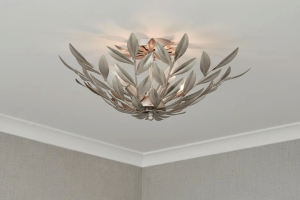
Looking to inject some warmth and a soothing vibe into your living space? A soft glow fabric drum shade floor lamp is a fantastic way to do just that. It’s not just about lighting a room; it’s about crafting an atmosphere. These lamps diffuse light beautifully, creating a gentle, non-harsh illumination that can transform any corner into a more inviting and comfortable spot. Think less “surgical operating room” and more “snug reading nook.”
The Magic of Diffused Light
The main power of these lamps lies in their ability to diffuse light. Unlike bare bulbs or lamps with thin shades, the fabric drum acts as a filter, spreading the light evenly and softening its intensity.
Why Diffusion Matters
- Reduces Glare: Direct light can be harsh and uncomfortable, causing eye strain. Diffused light minimizes glare, making it easier to relax.
- Eliminates Harsh Shadows: Instead of stark, angular shadows, you get softer, more gradual transitions, making the room feel larger and more open.
- Creates a Calming Effect: The gentle quality of diffused light is inherently more calming than bright, direct illumination, contributing to a sense of peace.
Choosing Your Fabric Drum Shade: Materials and Textures
The fabric you choose for your drum shade plays a huge role in the lamp’s overall aesthetic and how it diffuses light. It’s not just about color; texture and weave are equally important.
Natural Fabric Options
Natural fibers often have a lovely inherent texture that adds character even when the lamp is off.
- Linen: A classic choice, linen offers a slightly textured, organic feel. It diffuses light warmly and has a timeless appeal. It’s durable and can come in various weaves, from rustic to refined.
- Cotton: Versatile and affordable, cotton shades can range from smooth poplin to more textured slubs. They offer good light diffusion and can be easily dyed to match any decor.
- Jute/Hemp: For a more bohemian or rustic look, jute or hemp shades bring a natural, earthy texture. They tend to diffuse light with a slightly warmer, more amber tone due to their natural color.
Synthetic Fabric Options
Synthetics can offer durability, specific light diffusion properties, and a wider range of colors and patterns not always achievable with natural fibers.
- Polyester/Poly-blends: Often used for its durability and resistance to fading, polyester shades can mimic the look of natural fibers or offer a smoother, more uniform appearance. They are generally easy to clean.
- Rayon/Viscose: These semi-synthetic fibers can have a luxurious sheen and drape, giving a drum shade a more refined or elegant look. They diffuse light well and can hold vibrant colors.
Weave and Transparency
Beyond the fiber itself, how the fabric is woven impacts light diffusion.
- Tight Weave: Denser fabrics with a tight weave will diffuse light more fully, resulting in a softer, more uniform glow.
- Loose Weave: Looser weaves, especially with natural fibers, can allow for some subtle light patterns or textures to show through, adding interest.
- Lining: Some drum shades have an inner lining, which can further impact diffusion. A white lining will reflect light more brightly, while a darker lining will absorb some light, giving a softer, more muted glow.
Lamp Placement and Room Dynamics
Where you put your fabric drum shade floor lamp is just as important as the lamp itself. It’s about lighting up a specific area or contributing to the overall ambient light of a room.
Illuminating Key Areas
- Reading Nook: Place it beside an armchair or sofa. The diffused light is perfect for reading without harsh glare. The height should ideally allow the light to fall over your shoulder without shining directly into your eyes.
- Corner Accent: A floor lamp in a dim corner can totally transform it, adding warmth and visual interest. It breaks up large, empty spaces and prevents areas from feeling neglected.
- Beside a Sofa/Bed: Great for ambient light in the evening or providing a soft glow for winding down. Again, consider the height relative to seating or sleeping surfaces.
Enhancing Room Ambiance
- Layered Lighting: Don’t rely solely on one ceiling fixture. Floor lamps are excellent for adding a layer of ambient light, creating depth and dimension in a room.
- Visual Balance: Use them to balance out other lighting fixtures or pieces of furniture. A tall lamp can anchor a corner or balance a lower piece of furniture.
- Mood Setting: The soft glow is inherently mood-setting. It’s perfect for creating a relaxed atmosphere for entertaining or simply unwinding after a long day.
Avoiding Common Placement Mistakes
- Blocking Pathways: Ensure the lamp isn’t in a high-traffic area where it could be knocked over or impede movement.
- Too Close to Walls/Corners: While corners are great, ensure there’s enough space for the light to spread. Jamming it too tight against a wall can restrict its light output.
- Clutter: Keep the area around the lamp relatively clear to allow the light to shine unobstructed and avoid a cluttered look.
Bulb Choice: The Heart of the Glow
The bulb you choose is paramount to achieving that perfect soft glow. It’s not just about brightness; it’s about color temperature and efficiency.
Color Temperature (Kelvin)
This is perhaps the most crucial factor for ambiance.
- Warm White (2700K-3000K): This is your go-to for a cozy, inviting glow. It mimics the light of traditional incandescent bulbs, with a yellowish hue, perfect for relaxation and living areas.
- Soft White (3000K-3500K): A slightly brighter, less yellow option than warm white, still suitable for general living areas where you want a comfortable, but a bit more neutral light.
- Cool White (4000K+): Generally, avoid this for ambient, cozy lighting. It’s more bluish and stimulating, better suited for task lighting or areas where alertness is desired (like offices or kitchens).
Bulb Type and Energy Efficiency
- LED (Light Emitting Diode): The absolute best choice for drum shade lamps.
- Energy Efficient: Consumes significantly less electricity than incandescents.
- Long Lifespan: Lasts for tens of thousands of hours, meaning you won’t be changing them often.
- Low Heat Emission: Unlike incandescents, LEDs produce very little heat, which is better for the fabric shade and safer all around.
- Dimmable Options: Many LEDs are dimmable, allowing you to fine-tune the brightness to perfection. Just make sure both the bulb and your lamp’s dimmer are compatible.
- CFL (Compact Fluorescent Lamp): While more efficient than incandescents, they don’t always offer the best light quality (can look greenish), and many aren’t dimmable. Their warm-up time to full brightness can also be a drawback.
- Incandescent (Traditional): While they offer excellent color rendering and a natural warm glow, their energy inefficiency, short lifespan, and high heat output make them less ideal for modern use, especially with fabric shades.
Brightness (Lumens)
Don’t focus on watts anymore; lumens tell you how bright a bulb is.
- Ambient Light: For a soft, cozy glow, you’re likely looking for something in the range of 400-800 lumens (equivalent to a 40W-60W incandescent).
- Dimmable Bulbs: These are a fantastic investment, allowing you to adjust the light intensity from softly glowing to slightly brighter task lighting as needed.
Styling Your Lamp: Beyond Just Lighting
A fabric drum shade floor lamp isn’t just a light source; it’s a design element. How you style it and integrate it into your decor can elevate your entire room.
Integrating with Your Decor Style
- Minimalist: Choose a lamp with a clean, uncluttered base (metal or simple wood) and a plain, neutral fabric shade (white, off-white, light gray). The focus is on functionality and understated elegance.
- Bohemian: Look for shades in natural fibers like linen or jute, perhaps with some subtle texture. Pair it with a wooden or even a woven base for an organic, relaxed vibe.
- Mid-Century Modern: Opt for a drum shade with a slightly tapering shape, paired with a sleek metal base (brass, chrome) or a warm wood finish. Clean lines are key.
- Industrial: While less common for drum shades, you can still pull this off with a coarser fabric (like a dark linen or even a canvas-like material) and a base made of raw metal, pipe fittings, or distressed wood.
- Traditional/Transitional: A classic white or cream linen shade with a graceful metal or dark wood base will fit seamlessly. You might even find shades with subtle patterns or embroidered details.
Complementing Furniture and Color Palettes
- Match or Contrast: You can choose a shade that closely matches your existing furniture or wall color for a cohesive look, or opt for a contrasting color to create a focal point. A dark shade against a light wall, for instance, can add dramatic depth.
- Texture Play: Use the fabric shade to introduce a new texture into the room. If your room is very sleek, a textured linen shade can add warmth.
- Height and Scale: Ensure the lamp’s height and the drum shade’s diameter are in proportion to the furniture it sits beside. A too-small lamp next to a large sofa will look lost.
Decorative Elements and Accessories
- Nearby Tables: A small side table next to the lamp can hold books, a coaster for a drink, or a small decorative object like a plant or a ceramic bowl, making the area feel curated.
- Rugs: Place the lamp on an area rug that complements its style. This helps define the “cozy zone” around the lamp.
- Artwork: If the lamp significantly illuminates a wall, consider placing a piece of artwork there. The soft glow can beautifully highlight its colors and textures.
Maintenance and Care for Longevity
Keeping your fabric drum shade lamp looking its best involves some simple, regular care.
Dusting and Cleaning the Shade
- Regular Dusting: The easiest way to maintain it is regular dusting with a soft, dry cloth or a feather duster. You can also use the brush attachment of your vacuum cleaner on the lowest setting for a more thorough dust removal. Do this at least once a month.
- Spot Cleaning: For small marks or stains, blot gently with a clean, damp (not wet) cloth and a very mild soap solution. Always test on an inconspicuous area first. Avoid rubbing, as this can spread the stain or damage the fabric.
- Deep Cleaning (Rarely Needed): If the shade is very soiled and removable, some fabric shades can be gently hand-washed. However, this is risky as it can warp the frame or cause the fabric to shrink. Consult the lamp’s care instructions or a professional cleaner if in doubt.
Base and Electrical Components
- Base Cleaning: Wipe the lamp base with a soft, damp cloth. For metal bases, use a cleaner appropriate for the finish (e.g., brass cleaner for brass, glass cleaner for chrome). For wooden bases, a gentle wood polish can restore its luster.
- Checking Connections: Periodically check the bulb socket and cord for any signs of wear or fraying. If you notice any damage, it’s safer to replace the lamp or have it repaired by a qualified electrician.
- Bulb Replacement: When replacing bulbs, always ensure the lamp is unplugged. Use the correct wattage/lumen equivalent and color temperature for your desired ambiance.
By paying attention to these details, from the material of the shade to the warmth of the bulb and its thoughtful placement, you can effectively create a truly inviting, soft-glowing atmosphere with your fabric drum shade floor lamp. It’s a simple change that delivers a big impact on the overall comfort and appeal of your home.